
Compass Flats Blog | New Braunfels Living, I-35 Commuter Guides & Hill Country Apartment Tips

Studio vs. 1-Bedroom: The Smarter Choice for First-Time Solo Renters-image

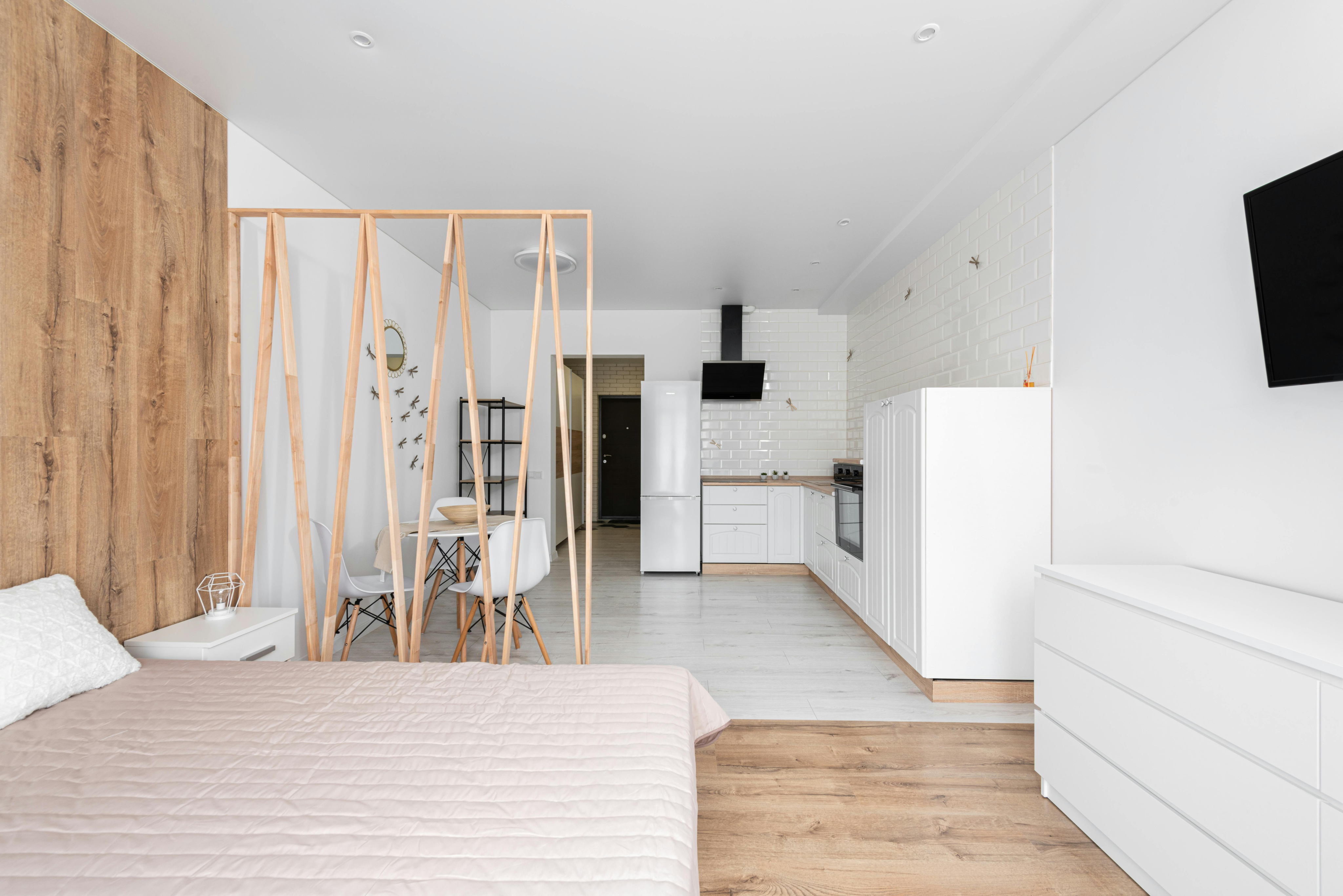
Quick Answer A studio apartment combines your living and sleeping areas in one open space, while a 1-bedroom offers a separate, enclosed bedroom. Studios are cheaper and easier to maintain; 1-bedrooms provide more privacy and room to grow. For first-time solo renters, the right choice depends on budget, lifestyle, and how much space you actually need. Introduction Renting your first apartment solo is exciting — and a little overwhelming. One of the first decisions you'll face is choosing between a studio and a 1-bedroom apartment. Both can work well for a single person, but they serve different needs and budgets. At Fusion at Rye, we work with first-time renters every day, and this is one of the most common questions we hear. This guide breaks down the real differences so you can make a confident decision. What Is a Studio Apartment? A studio apartment is a self-contained unit where the living room, sleeping area, and kitchen share one open floor plan. The only separate room is typically the bathroom. Studios are generally the most affordable option in any rental market. They're compact — usually between 300 and 600 square feet — and often found in urban or high-density buildings. If you're looking for small-space living tips, check out our guide:  10 Tips for a Soundproof Apartment  What Is a 1-Bedroom Apartment? A 1-bedroom apartment has a separate enclosed bedroom along with a distinct living area, kitchen, and bathroom. This layout gives you genuine privacy between your sleeping and living spaces. They typically range from 550 to 900+ square feet, depending on the building and location. The added space and layout flexibility come at a higher monthly cost. Studio vs. 1-Bedroom: Key Differences at a Glance Feature Studio 1-Bedroom Average Size 300–600 sq ft 550–900+ sq ft Separate Bedroom No Yes Average Monthly Cost Lower, varies by market Typically 15–30% more than studio Best For Budget-conscious renters, minimalists Privacy seekers, remote workers Guest Accommodations Limited More comfortable Utility Costs Generally lower Slightly higher Storage Space Less built-in storage More closet/storage options Cost Comparison: Which Is More Affordable? Rent is usually the deciding factor. Studios consistently rent for less than 1-bedrooms in the same building or neighborhood. The gap can be anywhere from $100 to $500+ per month depending on your city. But rent isn't the only cost. Consider: Utilities: Studios are smaller and typically cheaper to heat and cool. Furniture: A studio requires less furniture, saving money upfront. Security deposit: Often tied to monthly rent, so lower rent means a lower deposit. If you're on a tight budget as a first-time renter, a studio gives you more financial breathing room. Privacy and Lifestyle Considerations Privacy is where the 1-bedroom clearly wins. A separate bedroom means: You can have guests without your entire home on display. Video calls and remote work happen in a dedicated space. Sleep is less affected by ambient light, sound, or TV from the living area. Studio renters often use room dividers, curtains, loft beds, or furniture placement to create visual separation — but it's never quite the same as a real wall. Who Should Choose a Studio? A studio is the smarter pick if: You spend most of your time out of the apartment. Your budget is tight and saving on rent is a priority. You're comfortable with minimal, organized living. You rarely host overnight guests. You want a low-maintenance space that's easy to clean. Who Should Choose a 1-Bedroom? A 1-bedroom makes more sense if: You work from home regularly and need a clear boundary between work and rest. You value privacy and having a dedicated sleeping space. You own more belongings and need storage room. You plan to stay in the apartment for 2+ years. You have a pet or hobby that benefits from extra space. Step-by-Step: How to Choose Between a Studio and 1-Bedroom Set your monthly rent budget — include utilities in your estimate. Calculate the price difference between studios and 1-bedrooms in your target area. List your must-haves: private bedroom, home office, guest space, storage. Think about your daily routine: how much time do you actually spend home? Visit both unit types in person — square footage reads differently on paper vs. in person. Check lease terms: is the savings from a studio worth a longer or shorter commitment? Make your decision based on budget + lifestyle, not just size. Common Mistakes First-Time Renters Make Choosing a studio solely to save money without factoring in quality-of-life impact. Assuming a 1-bedroom will feel spacious — check actual square footage and layout. Ignoring parking. Learn more: Garage vs. Covered Parking in Apartments . Skipping in-person tours and relying only on listing photos. Underestimating move-in costs like deposits, first/last month's rent, and setup fees. FAQ: Studio vs. 1-Bedroom Apartment Is a studio apartment good for one person? Yes. A studio is well-suited for a single person who spends most of their time outside the apartment, keeps minimal belongings, and wants to lower monthly living costs. It becomes less ideal if you work from home often or value a private sleeping space. How much cheaper is a studio than a 1-bedroom? On average, studios rent for 15 to 30 percent less than 1-bedroom units in the same area. The exact difference varies by city, building, and unit condition. In high-cost urban markets, the gap can be even wider. Can a studio feel spacious enough for daily living? It can, with the right layout and organization. Using multifunctional furniture, vertical storage, and consistent decluttering helps a studio feel open. Most people adjust within the first few weeks of moving in. What are the downsides of renting a 1-bedroom as a first-time renter? The main downside is cost. A 1-bedroom typically requires a higher rent, deposit, and utility budget. For renters without an established rental history or with limited savings, a studio may be the safer starting point. Is it harder to sublease or break a lease on a studio vs. 1-bedroom? That depends on your lease terms and landlord policy, not unit size. Always review your lease carefully and ask about subletting rules before signing, regardless of which unit type you choose.

Read more


Ants in Your Apartment? Here’s Everything You Need to Know to Get Rid of Them Fast | Compass Flat Apartments-image

Quick Answer: The fastest way to get rid of ants in your apartment is to clean up food sources, wipe out scent trails, seal entry points, and use ant bait near the problem areas. If the problem keeps coming back, it may be time to contact property management or pest control. You can also learn more about apartment ant prevention from ApartmentGuide’s ant control tips . Why Ants Appear in Apartments Ants are usually drawn to crumbs, spills, trash, pet food, and moisture. Even small amounts of food can attract them, especially in kitchens and dining areas. Once ants find a source, they often leave a scent trail for the rest of the colony to follow. That is why one ant usually means more are coming. They are not random visitors; they are often part of a larger group searching for food. If you ignore the problem, it can grow quickly. Understanding why ants appear makes it easier to stop them for good. 1. Clean Up Food and Crumbs The first thing to do is remove anything that might attract ants. Wipe down counters, sweep floors, and clean under appliances if needed. Do not leave dirty dishes in the sink overnight if you can avoid it. It also helps to store food in sealed containers. Open packages, sugary snacks, and pet food are especially attractive to ants. A cleaner kitchen usually leads to fewer ant problems. According to ApartmentGuide , deep cleaning and removing food residue are among the most effective first steps. 2. Erase Ant Trails Ants often follow invisible scent trails to food sources. If you just kill the ants you see, the colony may keep coming back. Wiping trails away helps break that pattern. You can use a simple vinegar-and-water solution to clean the areas where ants are traveling. This can help disrupt the scent they use to move around. Repeat the cleaning as needed until the trail is gone. This step is important because it targets the route, not just the ants you see. 3. Seal Entry Points Ants can slip through tiny cracks around windows, doors, baseboards, and pipes. Inspect your apartment carefully to find possible entry points. Once you spot them, seal them with caulk or weather stripping if allowed. This helps stop ants from coming back after you clean the area. Even small gaps can be enough for ants to enter. Blocking those openings can make a major difference over time. Sealing entry points is one of the best long-term prevention steps. 4. Use Ant Bait Ant bait can be very effective because it targets the colony, not just the ants you see. The worker ants carry the bait back to the nest, which can help eliminate the source of the problem. This is often more effective than spraying visible ants directly. Place the bait near the areas where you have noticed ant activity. It may take a few days to work, so patience is important. Do not move the bait too quickly unless the ants are clearly ignoring it. Bait is usually a better choice than random spraying when you want a deeper solution. 5. Keep Moisture Under Control Ants are also attracted to water. Leaky sinks, damp counters, and moisture under appliances can create the kind of environment ants like. Fixing leaks and keeping things dry can help discourage them. Check under the kitchen sink, around faucets, and near bathroom plumbing. If you find standing water or ongoing dampness, take care of it as soon as possible. Dry spaces are less appealing to pests. Moisture control is often overlooked, but it matters a lot. 6. Contact Property Management If the ants keep coming back, it may be more than a simple food problem. There could be an issue in the wall, outside perimeter, or another unit nearby. In that case, notify property management so they can help address the source. Apartment communities often need to treat the problem at a larger level rather than just inside one unit. That is why reporting it early matters. The sooner management knows, the sooner they can respond. Persistent ant problems should not be handled alone if the infestation keeps returning. How to Prevent Ants Later The best prevention is keeping your apartment clean, dry, and sealed. Take out the trash regularly, clean spills right away, and store food properly. Small daily habits can prevent future infestations. It also helps to check for new entry points every so often, especially during warmer months when ants are more active. The less access they have, the less likely they are to stay. Prevention is usually easier than dealing with an active infestation. A few simple habits can make a big difference in keeping ants out. Why Fast Action Matters Ants may seem minor at first, but they can spread quickly if you do nothing. Acting fast helps protect your kitchen, your food, and your peace of mind. It also makes it easier to keep the problem from getting worse. At Compass Flat Apartments , quick cleaning and prevention steps can help you stay ahead of the problem. A clean, sealed apartment is much less inviting to ants. The sooner you act, the easier the fix usually is. Featured Snippet Style Definition How do you get rid of ants in an apartment fast? Clean up food and crumbs, wipe away ant trails, seal entry points, use ant bait, control moisture, and contact property management if the ants keep returning. Step-by-Step Guide Clean all food crumbs and spills. Wipe ant trails with vinegar and water. Seal cracks and gaps where ants enter. Place bait near the problem areas. Call property management if the issue continues. Comparison Table Method Main Benefit Best Use Cleaning Removes food sources First response Vinegar solution Breaks scent trails Trail areas Caulking gaps Blocks entry points Long-term prevention Ant bait Targets the colony Active infestations FAQ What attracts ants to apartments? Food crumbs, spills, pet food, trash, and moisture are the most common attractants. Do ants go away on their own? Usually not if they have found a food source or an entry point. Is vinegar good for getting rid of ants? Vinegar can help erase scent trails, which may reduce ant activity in the area. When should I call property management? Call them if the ants keep coming back or seem to be coming from outside the apartment. What is the best way to prevent ants? Keep your apartment clean, dry, and sealed, and store food in airtight containers. Conclusion Getting rid of ants fast usually means combining cleanup, trail removal, sealing, and baiting. If the issue continues, involving property management is often the smartest next step. If you live at Compass Flat Apartments , these simple steps can help you reclaim your space and keep ants from coming back.

Read more
10 Tips for a Soundproof Apartment | Compass Flat Apartments-image

Quick Answer: The best way to soundproof an apartment is to combine soft materials, gap sealing, and noise-reducing decor to block and absorb sound. Simple renter-friendly changes like rugs, curtains, door sweeps, and acoustic panels can make a big difference in everyday comfort. Apartment soundproofing is not usually about creating total silence. It is about lowering distractions so you can relax, work, and sleep more comfortably. 1. Use Thick Rugs and Carpets One of the easiest ways to reduce noise is to add soft flooring. Thick rugs and carpets help absorb sound and limit echo inside the apartment. They are especially useful if you have hardwood, laminate, or tile floors. Adding a rug pad underneath can improve the effect even more. This simple combination can help reduce footsteps, movement noise, and sound bouncing through the room. It is also renter-friendly and easy to change later. According to Lake Tree’s apartment soundproofing guide , rugs and carpets are one of the most effective DIY options for reducing noise in apartments. 2. Hang Heavy Curtains Heavy curtains can help block outside noise from windows while also making your apartment feel cozier. Thicker fabric absorbs more sound than lightweight curtains. They are especially useful if traffic, parking lots, or nearby activity creates background noise. For the best results, choose curtains that fully cover the window and reach close to the floor. This helps reduce both sound and light. Blackout curtains often work well because they are dense and practical. Window treatments are an easy upgrade that can improve both comfort and privacy. 3. Seal Door Gaps Sound often slips through the smallest openings, especially around doors. If there is a gap under your entry door or around the frame, noise can enter much more easily. Sealing those spaces can make a noticeable difference. Use weatherstripping, a door sweep, or a draft stopper to reduce sound leakage. These are inexpensive fixes that do not require major changes. They can also help with temperature control at the same time. According to Apartment Therapy , sealing door gaps is one of the most effective ways to reduce apartment noise. 4. Add Acoustic Panels Acoustic panels are designed to absorb sound and reduce echo inside a room. They are useful for shared walls, home offices, or living areas where sound tends to bounce around. Some panels also add a decorative element to your space. These panels are especially helpful if your apartment sounds hollow or echoey. While they do not block all outside noise, they can improve the overall acoustics of your home. That makes the space feel quieter and more comfortable. They are a smart choice if you want a more polished solution than basic soft decor alone. 5. Rearrange Furniture Strategically Large furniture pieces can help absorb and deflect sound when placed along shared walls. Bookcases, wardrobes, and upholstered sofas can all act as extra barriers. This is one of the simplest renter-friendly soundproofing techniques. If one wall is especially noisy, place heavier furniture against it. Adding books, fabric storage, or wall art can also help reduce sound bounce. Small layout changes can make a bigger difference than many renters expect. Sometimes the best soundproofing starts with how the room is arranged. 6. Use Fabric Decor Soft materials help absorb noise much better than hard surfaces. Throw pillows, blankets, tapestry wall hangings, and upholstered furniture can all help reduce echo. The more soft surfaces you add, the calmer the room often feels. This approach is especially useful in living rooms and bedrooms. It gives you a warmer look while also improving sound control. A space with more fabric usually feels more peaceful overall. If you want a simple improvement without tools, fabric decor is a strong option. 7. Install Window Inserts Window inserts create an extra layer between your room and outside noise. They are more effective than curtains alone because they help block sound at the window itself. This can be very helpful if you live near traffic or other outdoor noise sources. Window inserts are more of an investment, but they can offer a stronger noise-reduction effect than many other renter-friendly options. If windows are your main problem area, this is worth considering. It is one of the more advanced apartment soundproofing upgrades. For many renters, this is the point where comfort improves dramatically. 8. Add White Noise White noise machines do not stop sound from entering the apartment, but they can make unwanted noise less noticeable. They are especially helpful at night or during work hours. Many renters use them to mask neighbor noise, hallway sounds, or traffic. This is one of the easiest solutions because it does not require installation. You can place the machine near the area where noise bothers you most. It works well as part of a larger sound-reduction plan. White noise is a practical way to make a noisy environment feel more manageable. 9. Use Wall Hangings Wall hangings like tapestries, fabric art, or thick decorative panels can help soften noise in a room. They are not as effective as major structural changes, but they do help absorb some sound. They also make blank walls feel more finished. If you live in a space with lots of hard surfaces, wall hangings can reduce echo and make the room feel less harsh. They are easy to install and remove, which makes them suitable for renters. This is a good decorative plus functional option. Even small acoustic improvements can add up when combined with other tips. 10. Focus on the Noisy Zones First Not every part of an apartment needs the same amount of soundproofing. Start with the areas where noise bothers you most, such as the bedroom, living room, or entryway. That approach saves money and gives you faster results. If outside noise comes through one window or one wall, target that area first with curtains, rugs, or sealant. A focused plan is usually more effective than trying to treat the whole apartment at once. It also makes soundproofing more affordable. Prioritizing the loudest areas is one of the smartest ways to get the best return on your effort. Why Soundproofing Helps A quieter apartment can improve sleep, concentration, and overall comfort. It can also make your home feel more private and relaxing. For people who work from home or live near busy areas, sound reduction can make a major difference. At Compass Flat Apartments , these renter-friendly ideas can help you create a more peaceful home without major renovations. Simple upgrades often deliver more comfort than renters expect. Soundproofing is really about making your apartment fit your daily life better. Featured Snippet Style Definition How do you soundproof an apartment? Soundproof an apartment by using thick rugs, heavy curtains, door sweeps, acoustic panels, furniture placement, fabric decor, window inserts, white noise, wall hangings, and by focusing on noisy areas first. Step-by-Step Guide >Add rugs or carpets to absorb floor noise. >Hang heavy curtains over noisy windows. >Seal gaps around doors and windows. >Use furniture and fabric to reduce echo. >Add white noise or window inserts if needed. Comparison Table Soundproofing Tip Main Benefit Best Use Rugs and carpets Absorb floor noise Rooms with hard flooring Heavy curtains Reduce window noise Bedrooms and living rooms Door sweeps and seals Block air and sound gaps Entry doors Acoustic panels Reduce echo and reverberation Shared walls and offices FAQ What is the easiest way to soundproof an apartment? Start with rugs, heavy curtains, and door seals because they are simple, renter-friendly, and affordable. Do acoustic panels block outside noise? They mainly reduce echo and improve room acoustics, but they can also help soften some noise. Can furniture help soundproof a room? Yes. Heavy furniture like bookshelves and sofas can help absorb or block some sound. Are white noise machines useful in apartments? Yes. They do not block sound, but they help mask outside noise and make it less noticeable. What should I soundproof first? Start with the biggest noise sources, such as windows, doors, or shared walls. Conclusion Soundproofing an apartment is usually about layering small improvements rather than making one major change. Rugs, curtains, seals, panels, and smart furniture placement can all work together to create a much quieter home. If you are living at Compass Flat Apartments , these tips can help you enjoy a more peaceful, comfortable apartment every day.

Read more
6 Tips for Moving to a New City | Compass Apartments-image

Quick Answer: Moving to a new city is easier when you plan ahead, budget carefully, and give yourself time to settle in. The best move-in experience usually comes from staying organized, learning the area early, and choosing a home that supports your routine. If you are relocating to Compass Apartments , a little preparation can make the transition smoother and less stressful. New city moves often feel overwhelming at first, but the right steps can help you feel comfortable faster and start enjoying your new surroundings. Whether you are moving for work, school, or a fresh start, the key is to make the process manageable. These six tips can help you settle in with more confidence and less chaos. 1. Research the City Before You Move The first step is learning as much as you can about your new city before moving day. Look into neighborhoods, commute times, grocery stores, healthcare options, and local transportation. Knowing the basics ahead of time makes the adjustment much easier once you arrive. It also helps to explore online maps and neighborhood guides so you can understand the layout of the area. If you want a broader moving perspective, this guide to adjusting to life in a new city offers some helpful ideas for settling in smoothly. A little research before the move can save a lot of stress after the move. 2. Set a Moving Budget Moving to a new city often costs more than people expect. In addition to rent, you may need to plan for deposits, moving services, travel, utilities, and basic household setup. Creating a realistic budget early helps you avoid financial surprises. It is also smart to keep a small emergency cushion for unexpected expenses. That can be especially helpful if your move involves changing jobs or starting a new routine in an unfamiliar place. A clear budget gives you more control during a busy time. When you know what you can afford, it becomes easier to choose housing and other essentials wisely. 3. Declutter Before You Pack Before you start packing, go through your belongings and decide what you actually want to bring. Moving is a good time to donate, sell, or discard things you no longer use. The fewer items you move, the easier the process will be. Decluttering is especially helpful when you are heading to an apartment, where space may be limited. It also makes unpacking much simpler because you are not bringing unnecessary clutter into your new home. Starting fresh in a new city feels better when you are not surrounded by extra boxes. This step can also lower moving costs if you are paying based on volume or time. 4. Pack with a Plan Packing smart can make move-in day far less stressful. Label your boxes clearly, pack room by room, and keep fragile items protected. It also helps to keep a separate essentials bag with items you will need right away, such as toiletries, chargers, clothes, and important documents. When moving to a new city, you may not unpack everything immediately. Having your essentials easy to find makes the first night much more comfortable. It also keeps you from digging through every box just to find one item. A simple packing system can save time, energy, and frustration once you arrive. 5. Learn Your New Neighborhood After you move, spend time getting to know the area around your new home. Find the nearest grocery stores, coffee shops, pharmacies, gas stations, and parks so you know where to go when you need something. The more familiar the neighborhood feels, the easier it is to settle in. Walking around the area can also help you understand traffic patterns and discover places you may want to visit later. If you live at Compass Apartments , learning the neighborhood early can help you feel more at home and less like a visitor. Getting to know the basics of your area quickly makes everyday life much smoother. 6. Give Yourself Time to Adjust One of the most important tips for moving to a new city is being patient with yourself. It takes time to feel settled, especially if everything around you is new. Your routines, favorite places, and sense of comfort will build gradually. Try not to pressure yourself to feel fully at home right away. Instead, focus on small wins like unpacking, finding your routine, and learning where things are located. Every little step helps the city feel more familiar. Adjusting is part of the process, and giving yourself time makes the transition easier. Why Moving Feels Easier With the Right Home Choosing the right apartment can make a major difference when you are moving to a new city. A home that feels comfortable, practical, and well located can reduce a lot of the stress that comes with relocation. That is why location, layout, and convenience matter so much during the search. At Compass Apartments, it is easier to start your new chapter when your home supports your daily routine. A good apartment does not just give you a place to live. It gives you a base that helps the rest of your move come together more smoothly. When your home feels right, the city feels easier to explore and enjoy. Featured Snippet Style Definition What are 6 tips for moving to a new city? The best tips are to research the area, set a moving budget, declutter before packing, pack with a plan, learn your neighborhood, and give yourself time to adjust. Step-by-Step Guide Research the city and neighborhoods before you move. Create a realistic moving budget. Declutter and pack only what you need. Label boxes and keep an essentials bag handy. Learn the local area after move-in. Give yourself time to settle in and build routines. Comparison Table Moving Tip Why It Helps Best Result Research the city Helps you understand your new surroundings Less confusion after arrival Set a budget Keeps moving costs under control More financial confidence Declutter Reduces packing and unpacking work A lighter, simpler move Learn the neighborhood Helps with daily errands and routines Faster adjustment to city life FAQ What is the hardest part of moving to a new city? The hardest part is often adjusting to a new routine, new surroundings, and unfamiliar daily logistics. How do I settle in faster after moving? Learn your neighborhood, unpack in stages, and build a simple routine as soon as possible. Should I visit the city before moving? If possible, yes. Visiting can help you understand neighborhoods and choose a better place to live. How much should I budget for a move? Budget for rent, deposits, transportation, utility setup, and basic household items. Why is decluttering important before a move? It reduces moving costs, saves time, and makes unpacking much easier. Conclusion Moving to a new city becomes much less stressful when you plan ahead and take things step by step. By researching the area, budgeting well, packing smart, and giving yourself time to adjust, you can make the transition smoother from the start. If you are making a move to Compass Apartments, these tips can help you settle in with more confidence and enjoy your new city faster.

Read more
10 Great Gifts for Renters-image

Quick Answer: The best gifts for renters are practical, space-saving, and easy to use in apartment living. Helpful options like storage solutions, cleaning tools, cozy home items, and gift cards make great choices because they fit almost any renter’s lifestyle. Whether you are buying for a friend, family member, roommate, or new neighbor, renter-friendly gifts are both thoughtful and useful. The right present can make apartment living feel more convenient, cozy, and personal. 1. Storage Bins and Baskets Storage bins and baskets are one of the most useful gifts for renters because apartment spaces often need smart organization. They help keep closets, shelves, and cabinets tidy without taking up too much room. These items are especially helpful for renters who want to stay organized without making their home feel crowded. You can use them for blankets, books, shoes, office supplies, or everyday household items. If you want a gift that is practical and easy to appreciate, storage solutions are a great place to start. 2. Command Hooks and Wall-Friendly Organizers Many renters cannot use nails or permanent hardware, which makes wall-friendly organizers a great gift choice. Command hooks, removable strips, and other damage-free products help people decorate and organize without risking wall damage. These tools are especially useful for hanging keys, towels, bags, or light decor. They are simple, affordable, and very apartment-friendly. For renters who like to keep their place neat, this is one of the most thoughtful small gifts you can give. 3. Cozy Throw Blanket A soft throw blanket is a classic gift that works well in almost any apartment. It adds comfort, warmth, and style without needing much space. Throw blankets are especially nice for renters who like relaxing on the couch, watching movies, or reading at home. They also make a room feel more welcoming right away. This is one of those gifts that feels simple but always gets used. 4. Compact Kitchen Tools Compact kitchen tools are great gifts for renters who cook at home. Items like measuring cups, a small cutting board, nesting bowls, or a multi-use kitchen gadget can make apartment kitchens more efficient. Because many apartments have limited cabinet space, smaller and multi-purpose items are usually better than bulky appliances. Practical kitchen gifts also work well for new renters who are still building their apartment essentials. If you want to give something functional, kitchen tools are a smart choice. 5. Scented Candle or Diffuser A scented candle or diffuser can help a renter make their apartment feel more personal and relaxing. These gifts are popular because they add a cozy touch without taking up much room. They are especially good for people who enjoy a calm home environment. A pleasant scent can make a living room, bedroom, or bathroom feel more inviting. Just be sure the scent is something mild and widely liked so it fits most people’s tastes. 6. Cleaning Supplies Basket A cleaning supplies basket might not sound fancy, but it is one of the most useful gifts for renters. A bundle of everyday supplies like microfiber cloths, disinfecting wipes, a handheld duster, and a small vacuum attachment can be incredibly practical. People moving into a new apartment often need these basics right away. A gift like this is helpful because it saves them a trip to the store and supports a clean living space. Useful gifts often leave the strongest impression because they make real life easier. 7. Indoor Plant An indoor plant is a nice way to add life and color to an apartment. Small plants or low-maintenance options like succulents are especially good for renters because they do not require much space or upkeep. Plants can brighten a room and make a home feel more finished. They also work well as gifts for people who enjoy decorating their apartment with natural touches. If the person you are shopping for is not a plant expert, choose a low-maintenance option that is easy to care for. 8. Gift Card to a Favorite Store Gift cards are a safe and practical option for renters because they let the recipient choose exactly what they need. This can be especially useful if you are not sure what the apartment already has or what style the person prefers. Popular options include home stores, coffee shops, grocery stores, or online retailers. A gift card is also a great choice for renters who are still settling into a new apartment and need to pick up essentials. Sometimes the best gift is giving someone the freedom to choose. 9. Entryway Organizer An entryway organizer helps renters keep track of shoes, keys, bags, and mail in a small space. This can be especially helpful in apartments where the front entry area is compact. Items like slim shoe racks, tray organizers, and key holders make it easier to keep the home neat from the moment you walk in. They also help reduce clutter, which is something many renters care about. This is a smart gift for someone who likes their apartment to feel clean and organized. 10. Cozy Home Accessories Small home accessories like pillows, tea towels, mugs, or decorative trays can help a renter make their apartment feel more personal. These items are easy to use, easy to store, and usually add comfort right away. Try to choose something that feels neutral and versatile so it works with different styles. That makes the gift more likely to fit the renter’s space and preferences. Simple cozy items are often the most appreciated because they make a home feel more complete. What Makes a Good Gift for Renters The best gifts for renters are practical, compact, and easy to fit into apartment life. Since renters often deal with limited storage and smaller living spaces, the most useful gifts usually solve a real problem or add comfort without creating clutter. Gifts that are easy to use and easy to move are especially helpful. That is why items like storage tools, kitchen basics, and cozy accessories are usually better than oversized decor or bulky equipment. At Compass Flats Apartments, renter-friendly gifts can be a great fit because apartment living often benefits from items that are functional, stylish, and space-conscious. Featured Snippet Style Definition What are 10 great gifts for renters? Great gifts for renters include storage bins, Command hooks, cozy blankets, compact kitchen tools, scented candles, cleaning supplies, indoor plants, gift cards, entryway organizers, and small home accessories. Step-by-Step Guide Think about the renter’s space and lifestyle. Choose gifts that are useful in an apartment. Avoid bulky items that may be hard to store. Pick something practical, cozy, or easy to personalize. Consider gift cards if you are unsure what they need. Focus on items that make apartment living easier. Comparison Table Gift Type Best For Why It Works for Renters Storage items Organization Helps reduce clutter in small spaces Cleaning supplies Daily upkeep Useful and always needed Cozy home items Comfort Makes the apartment feel more inviting Gift cards Flexibility Lets renters choose what they need most FAQ What is the best gift for someone living in an apartment? The best gift is usually something practical, space-saving, and easy to use in a small home. Are home decor gifts good for renters? Yes, but it is better to choose compact, renter-friendly decor that does not require permanent installation. What gifts help with apartment organization? Storage bins, baskets, entryway organizers, and removable wall hooks are all useful apartment organization gifts. Are gift cards a good idea for renters? Yes. Gift cards are a flexible option when you are not sure what the renter already has or needs. Should I avoid bulky gifts for renters? Yes, bulky gifts can be harder to store in apartment spaces and may not be as practical. Conclusion Choosing a great gift for a renter is easier when you focus on usefulness, comfort, and space. The best renter gifts are the ones that make apartment living easier without adding clutter or stress.

Read more
A Step-by-Step Guide Through the Rental Application Process-image

Quick Answer: The rental application process usually starts when a prospective tenant finds a rental property they like, submits a lease application, provides income and identity information, and waits for property management to review the file. If approved, the next steps usually include paying the security deposit, signing the lease, and preparing for move-in. Applying for an apartment can feel overwhelming at first, but the process is easier when you know what to expect. Most rental communities want a complete application package, accurate information, and documents that help verify your income, rental history, and identity. This guide walks you through each stage of the rental application process in a simple, practical way. It is designed for prospective tenants who want to understand what property management is looking for and how to prepare a strong application from the beginning. What Property Management Looks For Property management reviews rental applications to decide whether a prospective tenant is a good fit for the rental property. They usually check income, credit history, rental history, employment history, identification, and whether the applicant meets the community’s basic qualifications. In many cases, they also want to see that the applicant can pay rent on time and follow lease rules. Each community may have slightly different requirements, but the goal is usually the same. Property management wants to reduce risk, confirm that the applicant is reliable, and make sure the lease agreement can be completed without issues. The more organized and accurate your application is, the better your chances of moving forward quickly. It is always smart to read the application instructions carefully before you submit anything. Missing documents or incomplete information can slow the process down, even if you are otherwise qualified. Step 1: Choose the Right Rental Property The first step is deciding which rental property fits your needs. Before you apply, review the apartment community, the location, the floor plans, and the monthly budget. You should also think about your lifestyle, commute, and whether the unit size works for your household. If you are looking at Compass Flat Apartments , spend time exploring the property details so you understand what the community offers. That way, you are not applying blindly. A thoughtful search helps you avoid wasting time on apartments that do not fit your expectations. Many renters also compare available floor plans before applying. This is helpful because a floor plan can affect everything from comfort to monthly living costs. Taking time at the start usually makes the rest of the process easier. Step 2: Complete the Lease Application Once you have chosen the rental property, the next step is filling out the lease application. This is the official form that gives property management the information they need to review your request. It usually asks for your contact details, employment information, income, residential history, and identification. Be careful to fill out the application completely and honestly. If anything is missing, property management may need to contact you again, which can slow things down. In some cases, inaccurate or incomplete information can affect approval. If more than one adult will live in the apartment, each adult may need to submit an application. That is common in rental property screening because the community wants a full picture of everyone who will live there. Step 3: Gather Required Documents Before you submit your lease application, gather the documents you are likely to need. This often includes a government-issued photo ID, , proof of income, rental history, and sometimes employment verification. Having everything ready ahead of time makes the process faster and less stressful. Some communities may also ask for additional documents if you are self-employed or if your income needs extra verification. If that applies to you, prepare bank statements, tax returns, or other supporting documents in advance. The more complete your file is, the easier it is for property management to review it. It helps to keep digital and paper copies of your important documents. That way, if something needs to be re-sent, you can respond quickly. Step 4: Pay the Application Fee Many rental properties require an application fee when you submit your lease application. This fee usually covers processing costs such as background checks or administrative review. It is important to understand whether the fee is refundable or non-refundable before you pay it. Always read the application instructions carefully so you know what to expect. If you are unsure about the fee or payment method, ask property management before submitting the form. That can help prevent confusion later. The application fee is usually separate from the security deposit, so do not confuse the two. The fee is typically paid during the application stage, while the security deposit is usually paid after approval. Step 5: Wait for Application Review After you submit the application, property management begins the review process. They may verify your income, rental history, credit history, and any other information required by the community. In some cases, they may also contact employers or previous landlords. This review period can take time, depending on how quickly references respond and how complete your paperwork is. If property management needs additional information, they may contact you and ask for more documents. Responding quickly can help keep the process moving. It is a good idea to check your email and phone regularly during this stage. If the community has questions, a fast response can make a positive difference. Step 6: Understand the Security Deposit If your application is approved, the next step is usually paying the security deposit. A security deposit is money held by the landlord or property management to cover possible damage or unpaid charges at the end of the lease. The exact amount can vary depending on the rental property and the applicant’s qualifications. Before you pay, make sure you understand the deposit terms. Ask whether it is refundable, what conditions apply, and how it will be handled when the lease ends. This helps avoid misunderstandings later. Some applicants may be asked to pay a higher deposit depending on credit or rental history. That is why it is helpful to be prepared and to ask questions early in the process. Step 7: Review the Lease Agreement Once approved, you will usually receive the lease agreement to review and sign. This document explains the rental terms, monthly rent, deposit details, community rules, maintenance expectations, and move-in conditions. Do not rush through it. Read every section carefully and ask questions about anything that is unclear. A lease is a legal agreement, so it is important to understand what you are signing. If you are unsure about a rule or fee, property management should be able to explain it. Many renters focus on rent amount but overlook the smaller details in the lease. Those details matter, especially when it comes to deposits, late fees, maintenance responsibilities, and notice requirements. Step 8: Prepare for Move-In After the lease is signed and the security deposit is paid, the final step is getting ready to move in. This usually includes setting up utilities, scheduling your move, and reviewing any community move-in instructions. Some rental properties also give you a move-in checklist. Before move-in day, make sure you know where to go, what paperwork to bring, and who to contact if you have questions. This helps the transition go smoothly and reduces stress on the day you arrive. How to Strengthen Your Application A strong rental application is usually complete, accurate, and easy to verify. That means filling out every field, submitting the correct documents, and making sure your contact information is current. A prospective tenant who is organized often creates a better impression than one who submits a rushed application. If your income is close to the community’s requirements, consider including extra documentation to support your file. If your rental history is short, be ready to explain your situation clearly and honestly. The goal is to make it easy for property management to review your application without confusion. It also helps to be responsive. If the office asks for more information, send it quickly. Delays often happen because applicants do not respond fast enough. Common Mistakes to Avoid One common mistake is applying before you are ready. If you have not gathered your documents or checked your finances, the process may become slower and more stressful than it needs to be. Another mistake is not reading the application instructions carefully. Some prospective tenants also forget that each adult may need to submit a separate application. Others overlook the difference between the application fee and the security deposit. These small mistakes can create unnecessary delays. Another issue is not reviewing the lease agreement closely enough. Even if you are excited to move in, it is important to understand the terms before signing anything. Rental Application and Community Fit Applying for a rental property is not only about meeting the approval requirements. It is also about making sure the community fits your daily life. The apartment layout, neighborhood, amenities , and leasing process all matter. Many renters find that reviewing the property first helps them ask better questions and make more informed decisions. That is especially true when comparing more than one community. External Authority Mention Many property management teams and rental professionals follow standard screening practices that include income verification, rental history review, and lease agreement approval. In general, those steps are common across the rental industry and are designed to help both the landlord and the prospective tenant understand the terms clearly before move-in. Featured Snippet Style Definition What is the rental application process? The rental application process is the step-by-step review a property management team uses to evaluate a prospective tenant. It usually includes submitting a lease application, providing documents, paying an application fee, waiting for approval, and then paying the security deposit and signing the lease. Step-by-Step Guide Choose the rental property you want. Complete the lease application carefully. Gather your required documents. Pay the application fee if required. Wait for property management to review your file. Pay the security deposit if approved. Read and sign the lease agreement. Prepare utilities and move-in details. Comparison Table Step What Happens Why It Matters Application You submit your personal and rental details Starts the review process Document review Property management checks income and history Confirms eligibility Approval Your application is accepted Moves you toward lease signing Security deposit You pay the required deposit Reserves the unit and secures the lease Lease signing You sign the rental agreement Finalizes the rental property commitment FAQ What is a prospective tenant? A prospective tenant is someone who is applying or planning to apply for a rental property. What is a security deposit? A security deposit is money paid to the landlord or property management to cover damage or unpaid charges at the end of the lease. What is a lease application? A lease application is the form you complete to request approval for renting an apartment or other rental property. Why does property management review applications? Property management reviews applications to confirm income, rental history, identity, and other basic qualifications. How can I improve my chances of approval? Submit a complete application, provide accurate documents, respond quickly to questions, and make sure your information is easy to verify. Conclusion The rental application process becomes much easier when you know what property management is looking for and how to prepare. By choosing the right rental property, completing your lease application carefully, submitting the right documents, and understanding the security deposit and lease agreement, you can move through the process with more confidence.  

Read more
5 6 7 8 9
49 - 54 of 54 total