
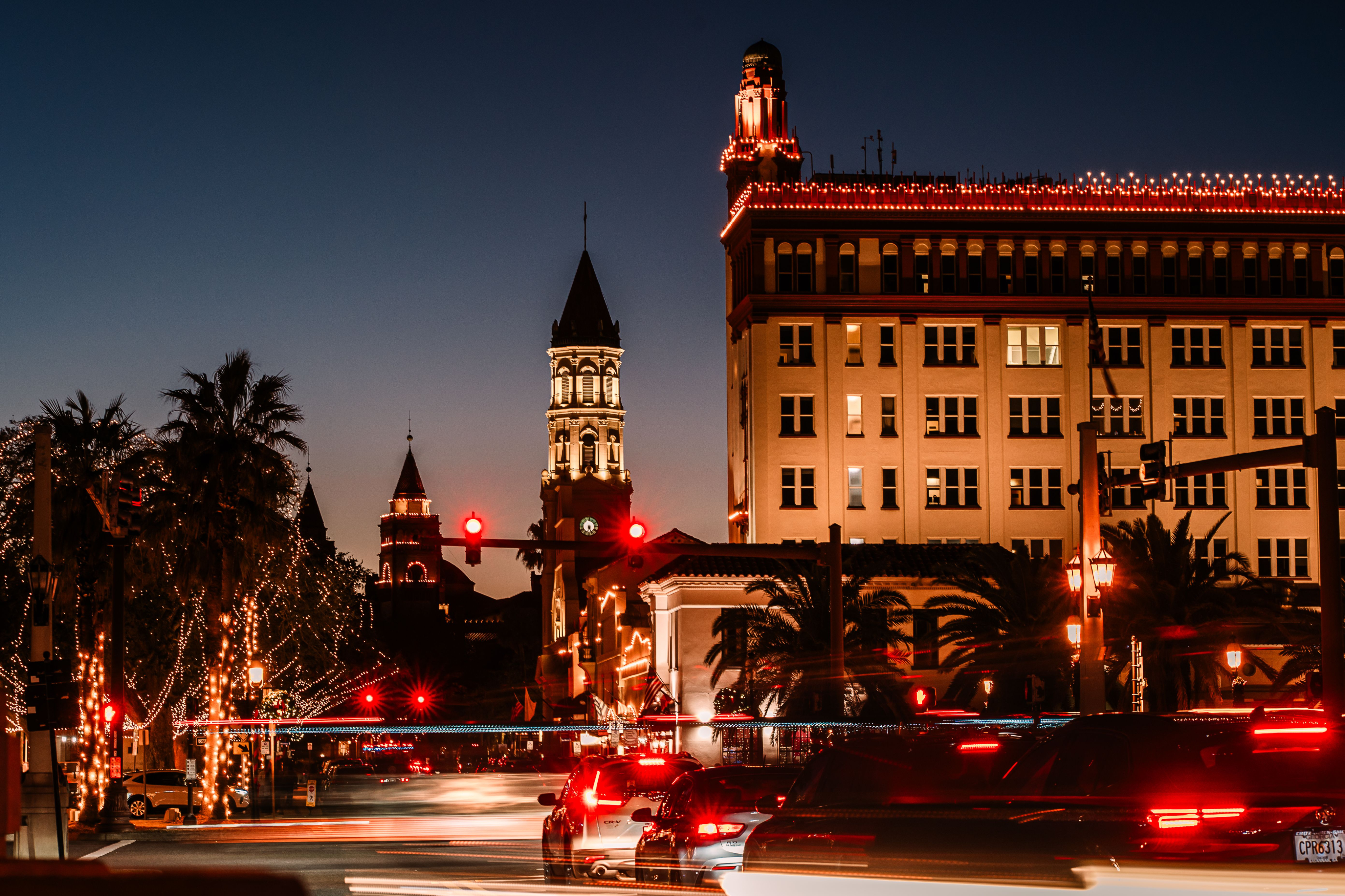
Quick Answer: New Braunfels, TX: Fastest Growing City in Texas is a title the city has held on and off since 2016. Census Bureau estimates put the population at 122,492 as of July 1, 2025, up 35.5% from the 2020 count. For renters, that has meant more apartments, softer asking rents, and a busier I-35.
Anyone who moved to Comal County five years ago can name the change without looking at a chart: longer grocery lines, slower I-35 on-ramps. New Braunfels, TX: Fastest Growing City in Texas has been a recurring headline since 2016, and the numbers behind it shifted again in 2026. Here is what the growth actually does to rent, safety, and drive times for people renting here, including at Compass Flats, an apartment community serving New Braunfels along the I-35 corridor.
What the fastest growing city in Texas label really means now
The label is real, but it is aging. New Braunfels grew 35.5% between April 2020 and July 2025, from 90,403 residents to an estimated 122,492, according to U.S. Census Bureau QuickFacts. That same agency put the one-year percentage crown somewhere else entirely.
The Bureau's list of the 15 fastest-growing cities with at least 20,000 residents, covering July 2024 to July 2025, was topped by Celina at 24.6%, followed by Fulshear and Princeton. All three sit on the edges of Dallas or Houston. New Braunfels did not appear on it.
That is not a decline. It is arithmetic. Adding 4,000 people to a city of 90,000 is a 4.4% jump. Adding the same 4,000 to a city of 122,000 is 3.3%. The base gets bigger every year, so the percentage falls even while the moving trucks keep arriving.
New Braunfels TX population, 2010 to 2025
The trajectory reads more clearly than any ranking. New Braunfels counted 57,740 residents in the 2010 Census and 90,403 in 2020. The current estimate is 122,492. That is more than double in fifteen years, inside a city that measured 45.18 square miles at the last count and about 2,001 people per square mile.
Comal County built to keep up. A large share of what went up was rental.
Is New Braunfels safe as the population climbs?
Reported crime fell while the population rose. The New Braunfels Police Department's 2025 annual report, presented to City Council on March 23, 2026, recorded a 5% drop in overall crime year over year, or 235 fewer incidents, and a 14% decline since 2022. Property crime drove most of that.
Burglaries dropped 21%. Vehicle thefts fell 18%. Crimes against persons moved the other way, up 7%, which the department tied mainly to aggravated assault and domestic violence cases.
New Braunfels crime rate, with the fine print
Third-party trackers working from 2024 FBI data put the total New Braunfels crime rate near 1,440 offenses per 100,000 residents, roughly a third below both the national and Texas rates. Handle city-to-city comparisons carefully. Agencies report to the FBI voluntarily and classify incidents differently, so two reputable sites can publish two different figures for the same city and both be defensible. For a renter, the local five-year trend line is the more useful signal.
How far is New Braunfels to San Antonio?
About 31 to 34 miles, depending on where you start in town, straight down I-35. Off-peak that is a 35 to 40 minute drive to downtown. Rush hour through Schertz and Selma can add fifteen minutes or more, and San Antonio reached 1,548,422 residents in the 2025 estimates.
Austin TX to New Braunfels, the northbound run
Austin sits roughly 47 to 50 miles north. Budget 50 to 70 minutes each way, most of the variance coming from the San Marcos and Buda stretch where the corridor bottlenecks. Austin crossed one million residents for the first time in the Vintage 2025 estimates, at 1,002,632, so that stretch is not about to get quieter.
The local data tells a gentler story than the commuter reputation. Census figures for 2020 through 2024 put the mean travel time to work for New Braunfels residents at 27.1 minutes, which suggests most people here work far closer to home than the I-35 headlines imply.
What the boom did to New Braunfels apartments and rent
Developers built ahead of demand, and renters are the ones collecting on it. RentCafe's May 2026 snapshot put the average New Braunfels apartment rent at $1,426, down 3.12% from a year earlier, with one-bedrooms averaging $1,257 and studios at $1,128. Concessions followed the new supply.
Published averages disagree, and it is worth knowing why before you build a budget around one. Zumper's May 2026 figure was $1,727 because it folds in rental houses. Apartments.com and similar trackers landed closer to $1,200 for a one-bedroom because they weight units currently listed in larger communities. The Census Bureau's 2020 to 2024 median gross rent of $1,654 covers every renter-occupied home in the city and lags the live market by design. None of them is wrong. They measure different things.
| What renters ask | Latest figure | Source and date |
|---|---|---|
| New Braunfels TX population | 122,492 | Census Bureau estimate, July 1, 2025 |
| Growth since April 2020 | 35.5% | Census Bureau, Vintage 2025 |
| Median household income | $86,021 | Census Bureau, 2020 to 2024 estimate |
| Median gross rent, all rentals | $1,654 per month | Census Bureau, 2020 to 2024 estimate |
| Average apartment asking rent | $1,426 per month, down 3.12% year over year | RentCafe market data, May 2026 |
| Mean travel time to work | 27.1 minutes | Census Bureau, 2020 to 2024 estimate |
| Overall reported crime, 2025 | Down 5% versus 2024 | New Braunfels PD 2025 annual report |
New Braunfels cost of living, and the luxury question
Cost-of-living indexes for the city land anywhere from roughly 6% below the national average to 8% above it, depending on the provider and the vintage of the underlying prices. Texas charges no state income tax, which helps. A seven-month cooling season does not.
Luxury apartments in New Braunfels multiplied along with everything else, and the amenity packages sharpened as a result. Price the total monthly cost, not the headline rent. A community with a coworking lounge, a pool, a fitness center, and a game room on site can run cheaper in practice than a lower-rent option that sends you out to a paid gym and a coffee shop with unreliable wifi. Compass Flats publishes its full list of community amenities and its current studio and one-bedroom layouts online.
Frequently Asked Questions
1. Is New Braunfels still the fastest growing city in Texas?
Not by one-year percentage. The Census Bureau's Vintage 2025 estimates, covering July 2024 to July 2025, ranked Celina first in the nation at 24.6%, with Fulshear and Princeton behind it. New Braunfels still grew 35.5% across the full 2020 to 2025 window, and that is the figure driving local housing supply.
2. What is the New Braunfels TX population in 2026?
The most recent official number is 122,492, the Census Bureau's estimate for July 1, 2025. The 2020 Census counted 90,403 and the 2010 Census counted 57,740. Private projections for 2026 run higher, into the 125,000 to 129,000 range, though those are models rather than counts.
3. What cities near New Braunfels should renters compare?
Five worth pricing against New Braunfels before you sign:
- San Marcos, about 19 miles northeast, with a large student rental market
- Seguin, east of town, generally quieter and cheaper per square foot
- Schertz and Cibolo, closer to San Antonio and popular with Randolph AFB commuters
- Canyon Lake, north on the water, with thin apartment inventory
- Kyle, up I-35, which shortens the Austin drive and lengthens the San Antonio one
4. Are luxury apartments in New Braunfels worth the premium?
That depends on what the premium replaces. Newer lease-ups here typically include in-unit laundry, a fitness center, and dedicated workspace, which can cancel a gym membership and a coworking desk fee. Add those line items to the cheaper community's rent, then compare the two totals.
5. How does the New Braunfels cost of living compare with Austin?
New Braunfels runs cheaper on housing, the category that moves any index most. Median household income here was $86,021 in the 2020 to 2024 Census estimates. Published index numbers vary by provider, so use them for direction rather than precision and budget your own commute separately.
Conclusion
New Braunfels, TX: Fastest Growing City in Texas describes a five-year record, and that record is what turns up in your lease. Roughly 32,000 additional residents since 2020 pulled thousands of new units into the market. Asking rents in 2026 are lower than they were a year ago, reported crime is trending down, and the I-35 drive is trending the other way. Tour a few communities in person and ask what concessions are on the table this month. You can start with the Compass Flats photo gallery and virtual tour before you make the drive.